
Enchantment in Sedona
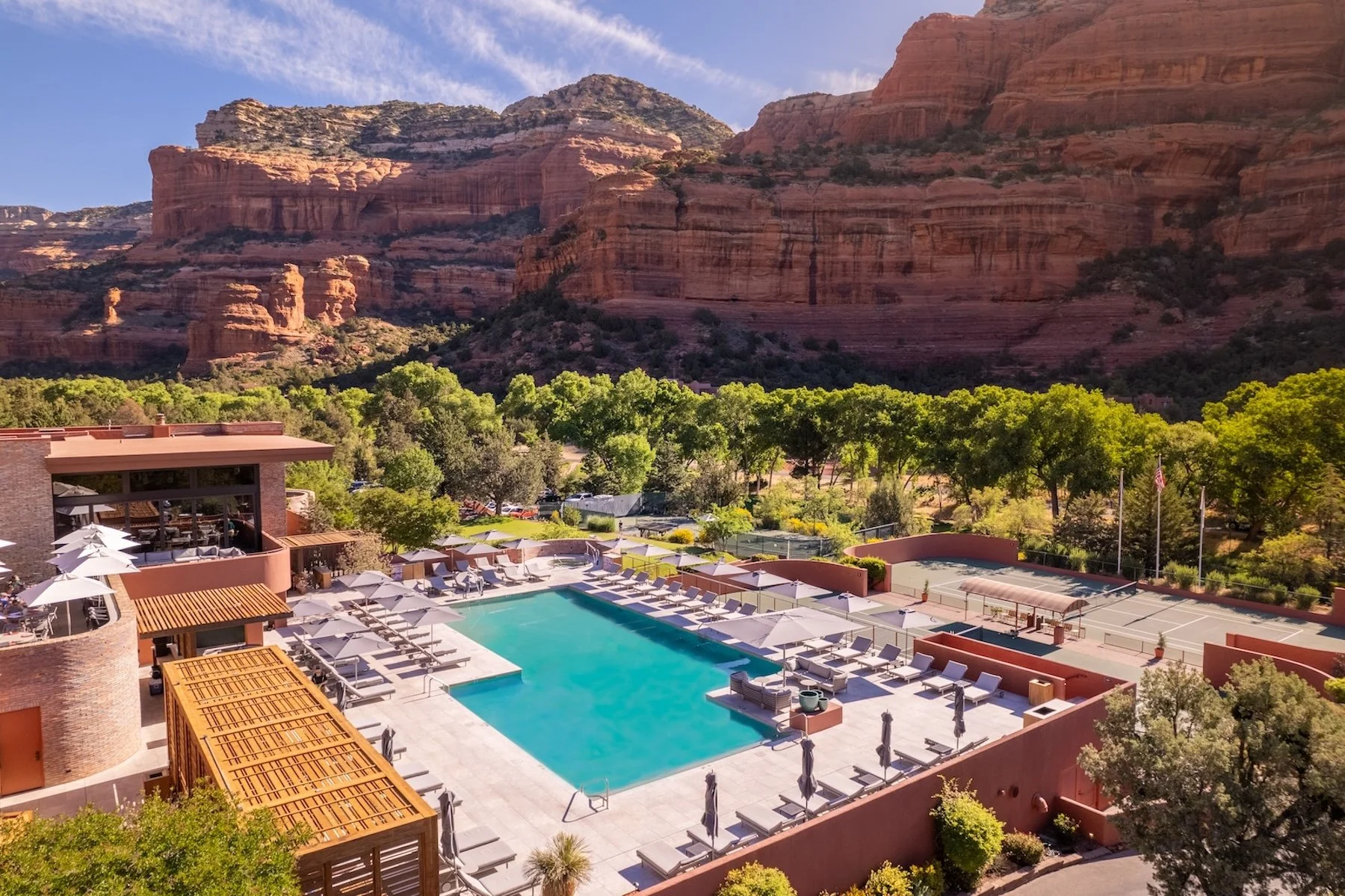
Enchantment feels absorbed into the rising red rock cliffs of Sedona’s Boynton Canyon. [photo by Kevin Floerke/Enchantment]
Enchantment & Seven Canyons Golf Club
Sedona Golf in Its Most Restorative Setting
Sedona has long occupied a singular place in the American Southwest—defined not just by its towering red rock formations, but by the way the landscape quiets everything that isn’t essential. Light shifts hour by hour across the cliffs. Sound carries differently between stone walls. Even a short stay feels strangely unhurried.
Two hours north of Phoenix, the town draws visitors for different reasons—outdoor adventure, creative inspiration, and, for many, simply the chance to spend long stretches outside. One of its most storied settings is Boynton Canyon, often described as a place of balance and calm. Whether or not one buys into Sedona’s talk of energy vortexes, the canyon’s visual pull is undeniable: sheer red rock walls, pockets of juniper and pinyon pine, and a desert floor that feels removed from the rest of town.
Enchantment (formerly Enchantment Resort) sits directly within that canyon, laid out along the basin beneath the cliffs rather than perched above them. Casitas and suites follow the natural contours of the land, low enough in profile that from a distance they seem absorbed into the rock and desert vegetation. Here—quietly within Boynton Canyon—Enchantment feels less like a resort imposed on the landscape than one absorbed into it.
For golfers, the experience extends a few miles farther into the landscape. Guests have access to the private Seven Canyons Golf Club, a Tom Weiskopf design set among red rock formations and high-desert forest just a short drive from the resort. The pairing feels natural rather than orchestrated. Golf fits easily alongside hiking trails that begin on the Enchantment property, racquet sports, stargazing, and time at Mii amo, the resort’s adjacent destination spa—none competing for attention.
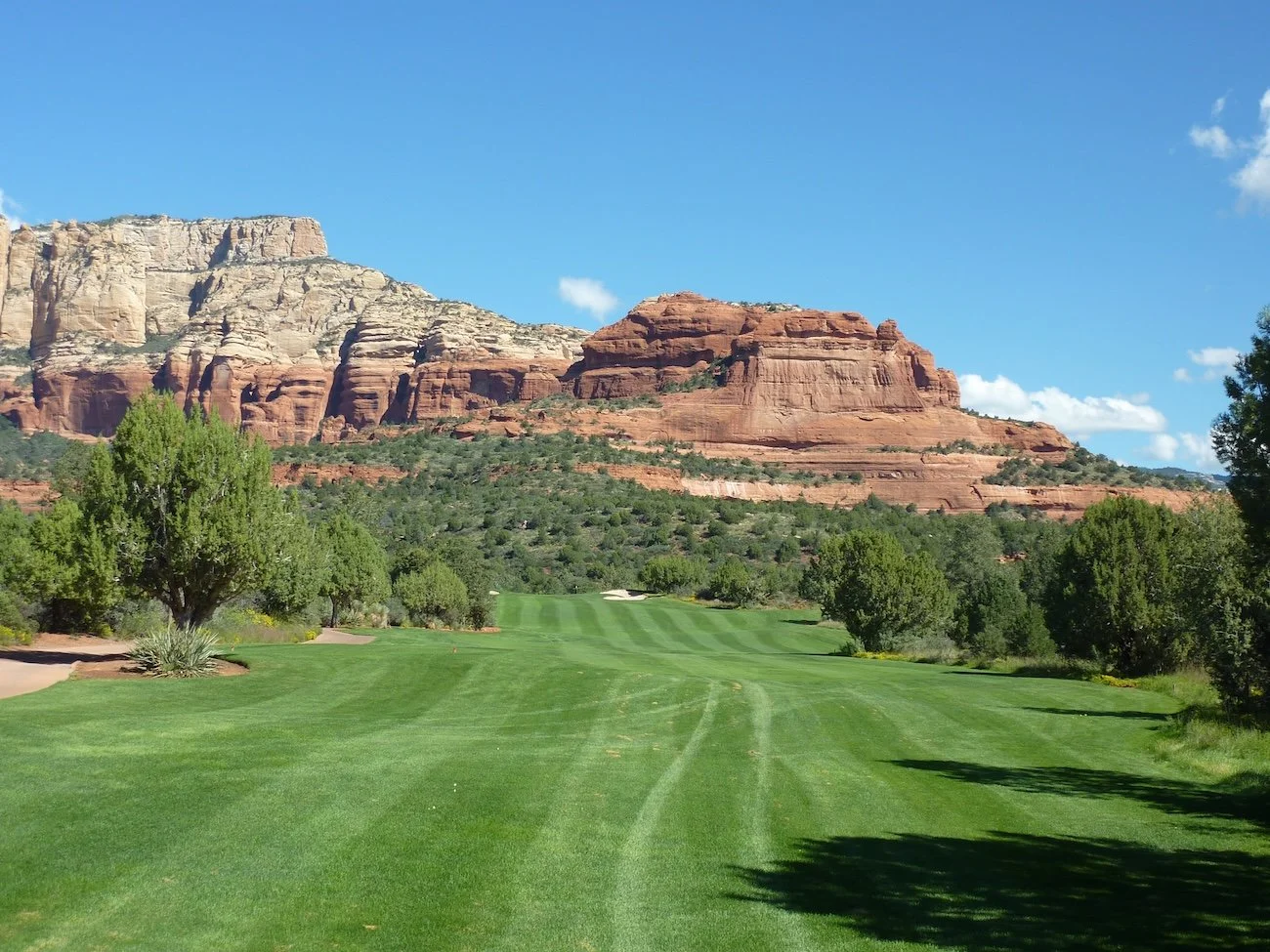
Located one canyon over from Enchantment, the Tom Weiskopf-designed Seven Canyons Golf Club is enveloped by red rocks.
Over time, Enchantment has evolved into one of the iconic resort destinations of the American West—a place where the landscape shapes the experience as much as any amenity. Days here settle into their own rhythm: an early tee time or morning hike, unstructured hours back in the canyon, and evenings that stretch comfortably into dinner and dark skies. Many guests arrive with full itineraries and quietly abandon half of them once the pace of the place takes hold.
Seven Canyons Golf Club — Golf Shaped by the Landscape
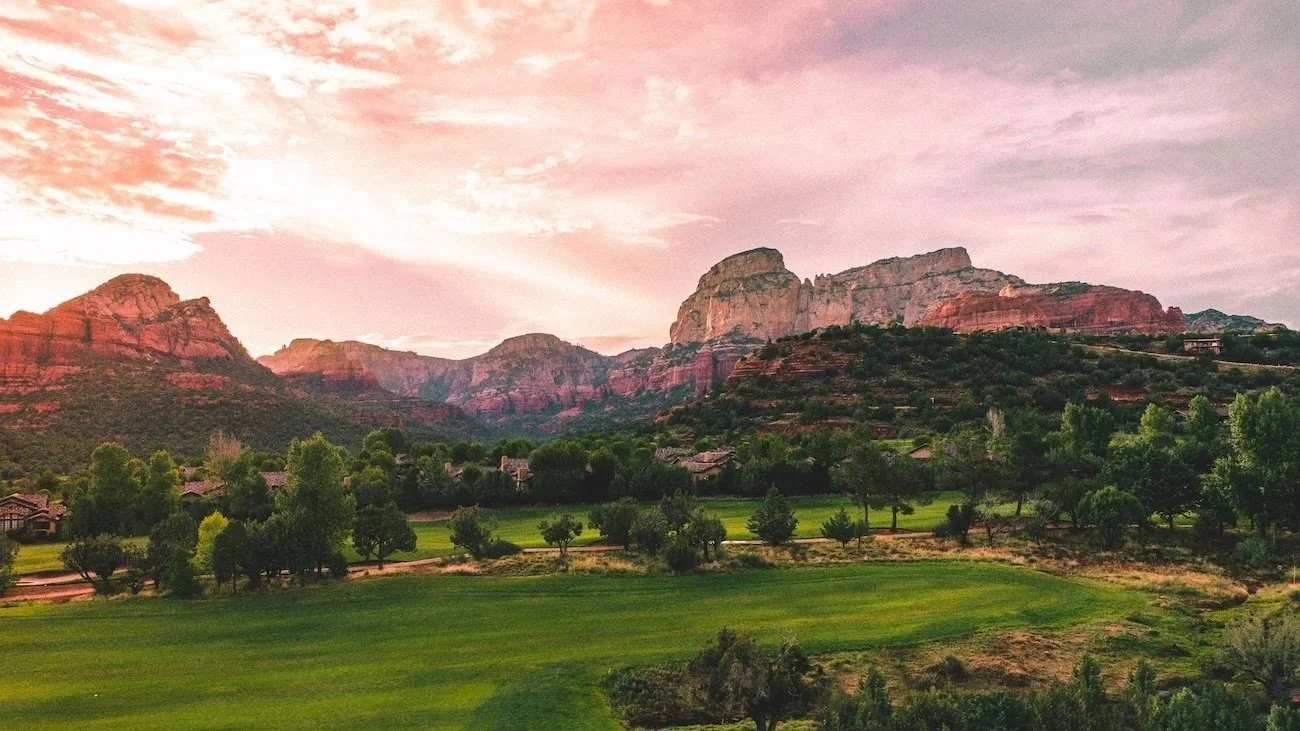
Seven Canyons is a private club that extends playing access to Enchantment and Mii amo resort guests. [credit: Enchantment]
Enchantment and Mii amo guests receive privileged access to Seven Canyons Golf Club, a private course located four miles, one canyon over from the resort. Set across roughly 200 acres of high desert bordered by Coconino National Forest, the layout threads through red rock formations, ancient junipers, and several of Sedona’s recognized vortex sites, including Rachel’s Knoll. From nearly every hole, the surroundings impress near and far—jagged buttes rising beyond fairways and canyon walls framing sightlines in every direction.
Course architect Tom Weiskopf, who came to regard Seven Canyons as one of his favorite courses to design and build, said it best: "Its scenic beauty is timeless and mesmerizing, absolutely spectacular." That assessment is easy to understand from the first tee.
The course Enchantment guests play today, though originally built in 2002, reflects a renovation completed in 2024—overseen by Phil Smith. Smith was part of Weiskopf's original design team and, as the story goes, the man who first visited the site and convinced a skeptical Weiskopf he had to see it for himself. Weiskopf had long resisted, convinced the strips of workable terrain—threading between canyon walls, rock formations, and dense forest—were too narrow to allow for a proper routing. One visit changed everything—he agreed to take the project within minutes of his arrival.
Working without formal plans, Weiskopf developed his routing by walking the land, sketching as he went, and at one point exploring the deeper reaches of the canyon on horseback. The resulting course reflected that instinctive, site-driven approach from the first hole to the last.
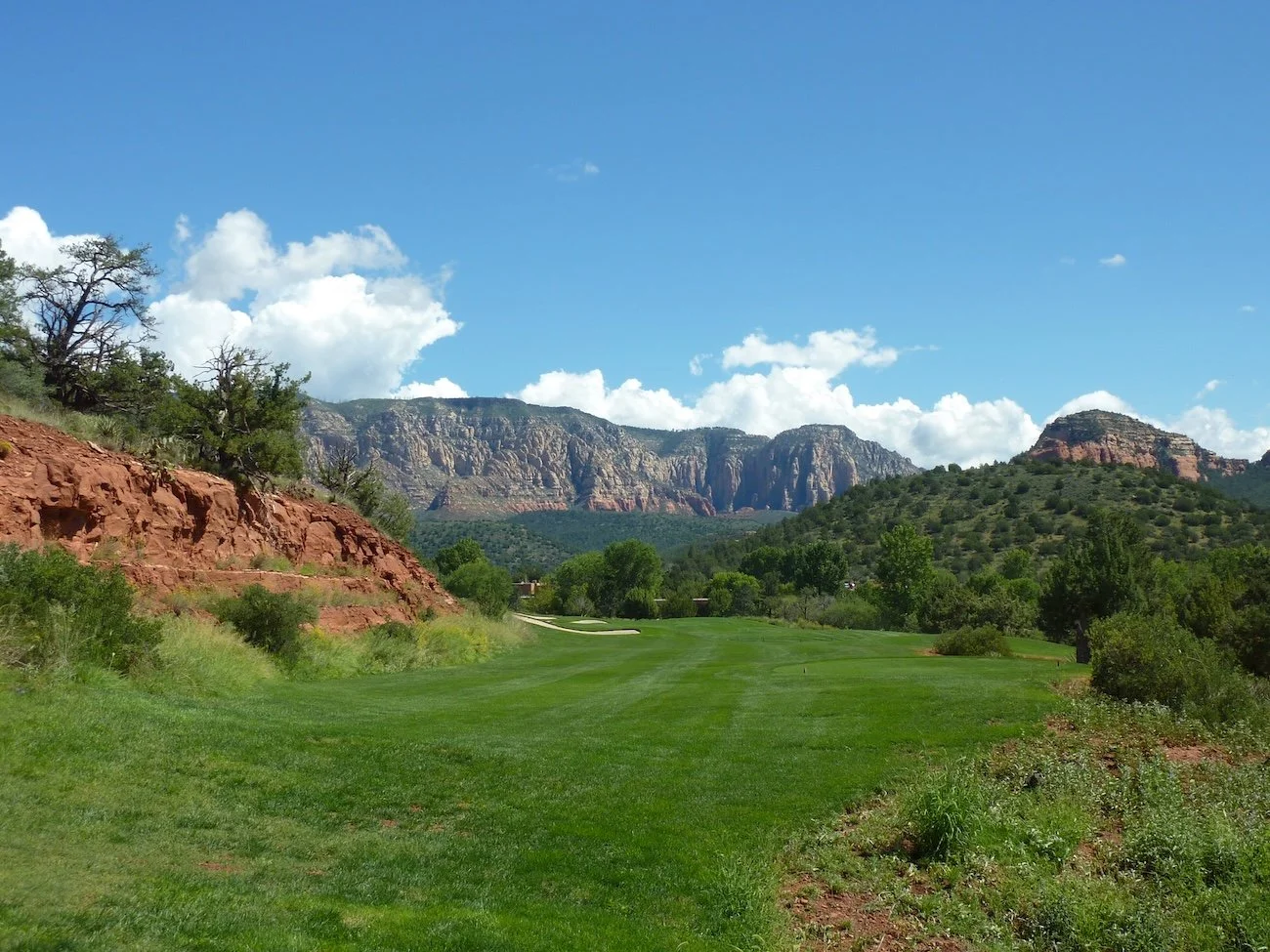
Tom Weiskopf said Seven Canyons’ "scenic beauty is timeless and mesmerizing, absolutely spectacular."
Weiskopf made a final visit shortly before his death in August 2022, sharing his vision for what the course could still become. Smith developed the full renovation scope from there—flipping the nines to the sequence Weiskopf always preferred, eliminating roughly a dozen bunkers that penalized weaker players without adding meaningful strategic interest for better ones, rebuilding and recontouring all the remaining bunkers, and regrading tees throughout. The front nine now plays shorter and more openly, allowing players to find their footing before the course tightens its grip. The renovation honored what Weiskopf built while sharpening every aspect of how the course plays and presents.
The round establishes itself immediately—visually, from the first step onto the tee. At more than 4,600 feet above sea level, the opening par four frames a view that stops players mid-thought: green fairway grass, brilliant white bunker sand, the layered tints of red rock shifting with the angle of the sun, and a sky so blue it seems almost implausible. The golf matters here, but so does where you are.
The 4th hole delivers a Weiskopf trademark—the strategic drivable par four. The decision is immediate: challenge the green off the tee or lay back to one of two fairway tiers, divided by cross bunkers. The smallest green on the course awaits, protected by its deepest bunker, and the wrong angle of approach makes each feel much smaller than it is.
The par-three 14th, often cited as the signature hole, plays from the top of Rachel's Knoll more than 80 feet above a small, well-bunkered green. Swirling winds can shift club selection by several numbers, and the views in every direction—canyon walls, red rock formations, open sky—make it one of the great tee settings in American golf.
Strategy defines the experience. Fairways are tight, greens demand precision, and the bunkering is exacting without feeling severe. Angled landing zones and subtle contours reward restraint, and many holes favor placement over power from the tee. Longer hitters may find fewer chances to reach for their favorite club, and hitting driver simply because you can is often a mistake; positioning in the fairway matters far more than distance.
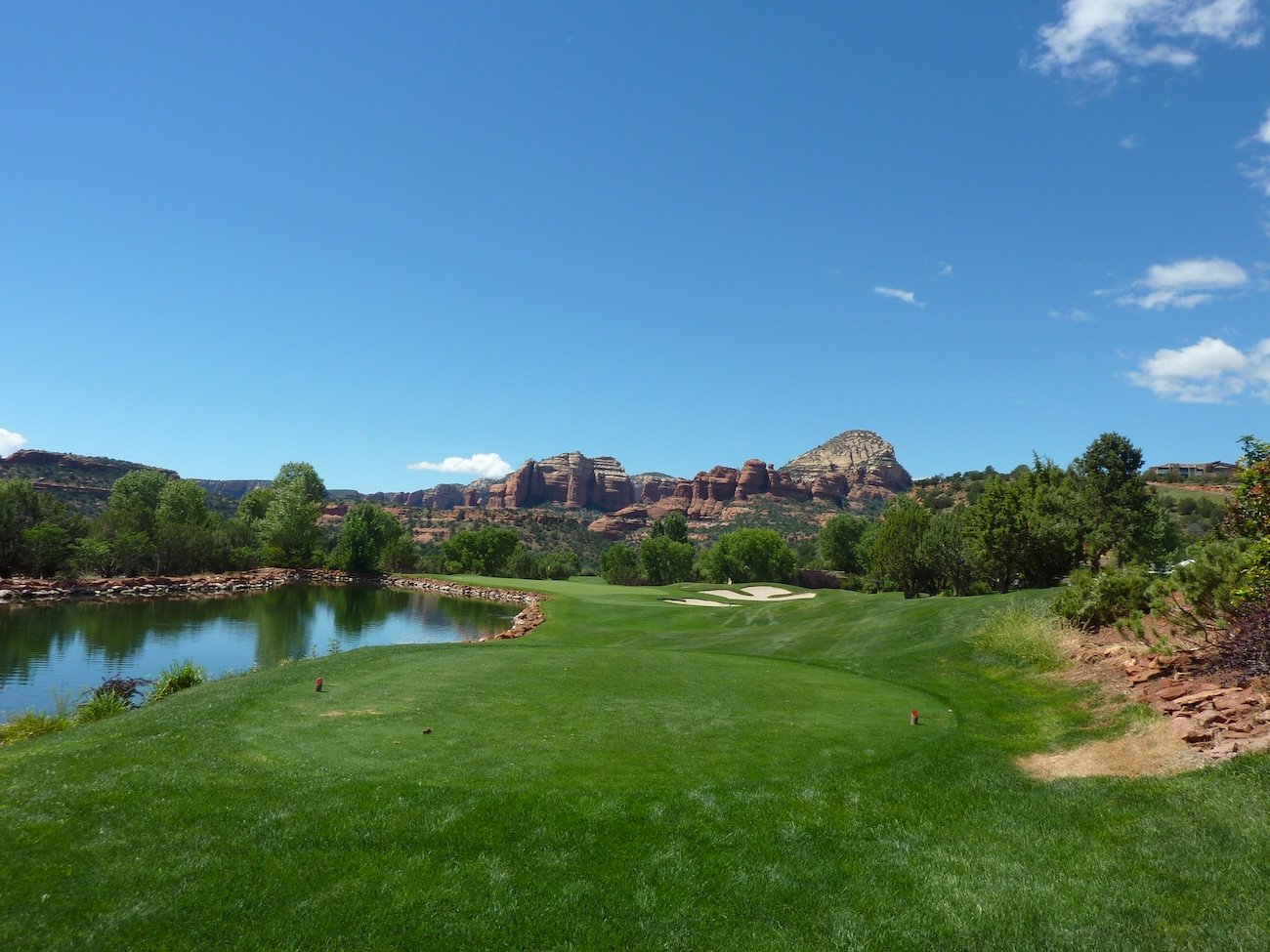
Seven Canyons Golf Club changes character throughout the day as light moves across the canyons.
While slightly errant shots can disappear into the high desert, players who keep the ball in play consistently find scoring opportunities. The course rewards patience and local knowledge, revealing more of its character with each round played.
The course changes character throughout the day as light moves across the canyons. Morning shadows can obscure portions of fairways and greens; by afternoon, views open and the rock formations shift in color—green grass, white sand, and layered red rock cycling through shades that no photograph quite captures.
Near the first tee, the new Short Game Practice Park offers an 8,000-square-foot putting green alongside a full chipping and bunker complex, with a social space called the Turn House anchoring the area as a natural gathering point before or after the round. Meanwhile, the original driving range occupies its own secluded corner of the property, framed by inspiring buttes and desert quiet in a setting that feels deliberately removed from everything else. Even players who rarely warm up tend to linger in both places longer than intended.
Enchantment: Immersed in Boynton Canyon
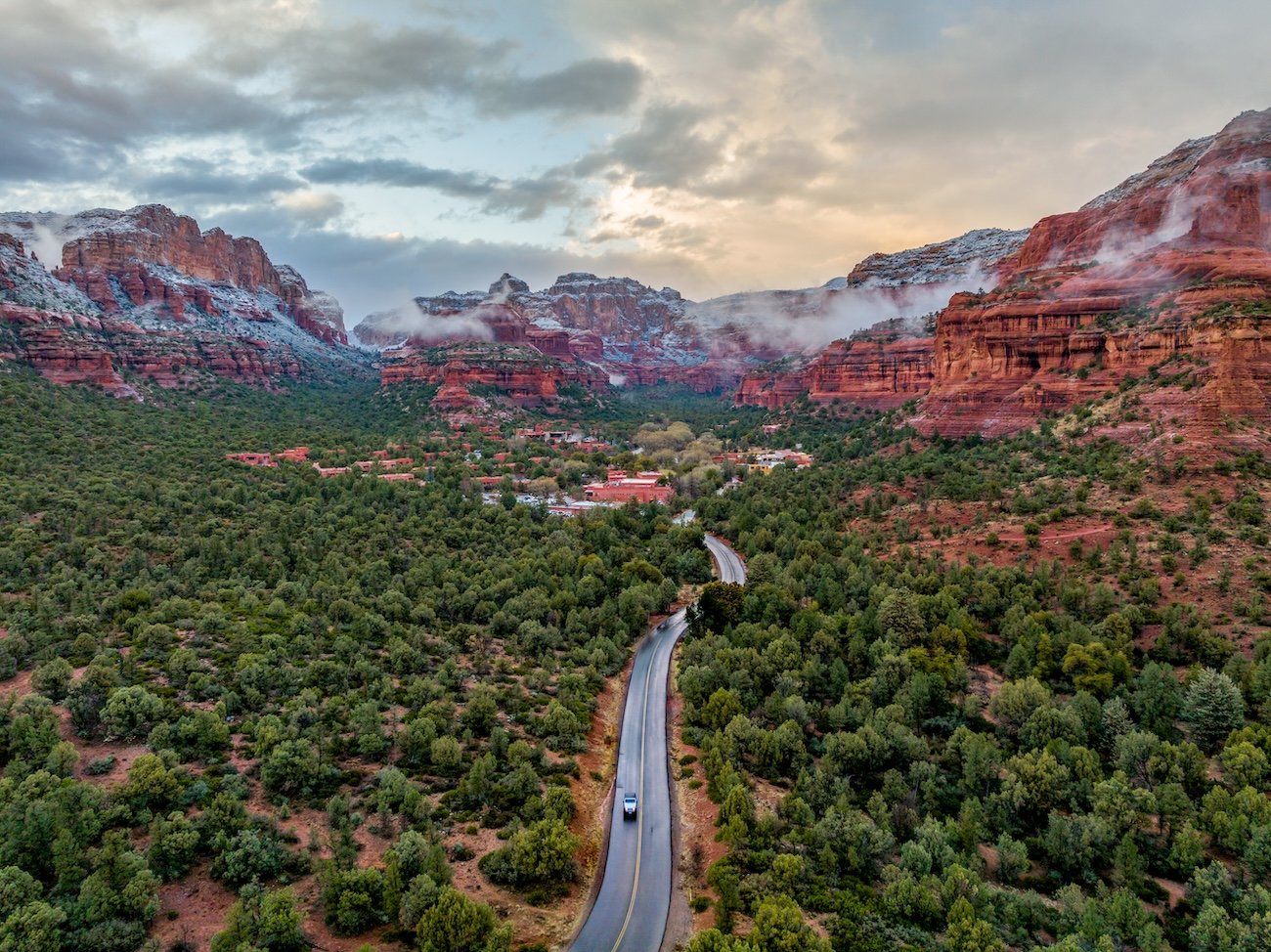
Enchantment and sister resort Mii amo sit beneath the red rock walls of Sedona’s Boynton Canyon. [credit: Enchantment]
Enchantment's 218 rooms, suites, and casitas follow the canyon floor rather than fighting it. Developed in the 1980s as one of Sedona’s first purpose-built luxury retreats, the resort was deliberately planned to nestle unobtrusively into Boynton Canyon, a site long regarded as sacred by Native American communities. Rather than imposing a single monolithic structure, Enchantment unfolds across roughly 70 acres of desert terrain, with adobe-style casitas and suites scattered along quiet paths that lead deeper into the canyon.
The architecture follows the shape of the land. Low-slung, earth-toned buildings blend almost imperceptibly into the rock faces behind them. Inside, design choices echo the colors and textures of Sedona itself—hand-hewn wood, native stone, woven textiles, and a muted palette drawn from the desert’s natural hues. Rooms remain spare enough that the canyon light does most of the work.
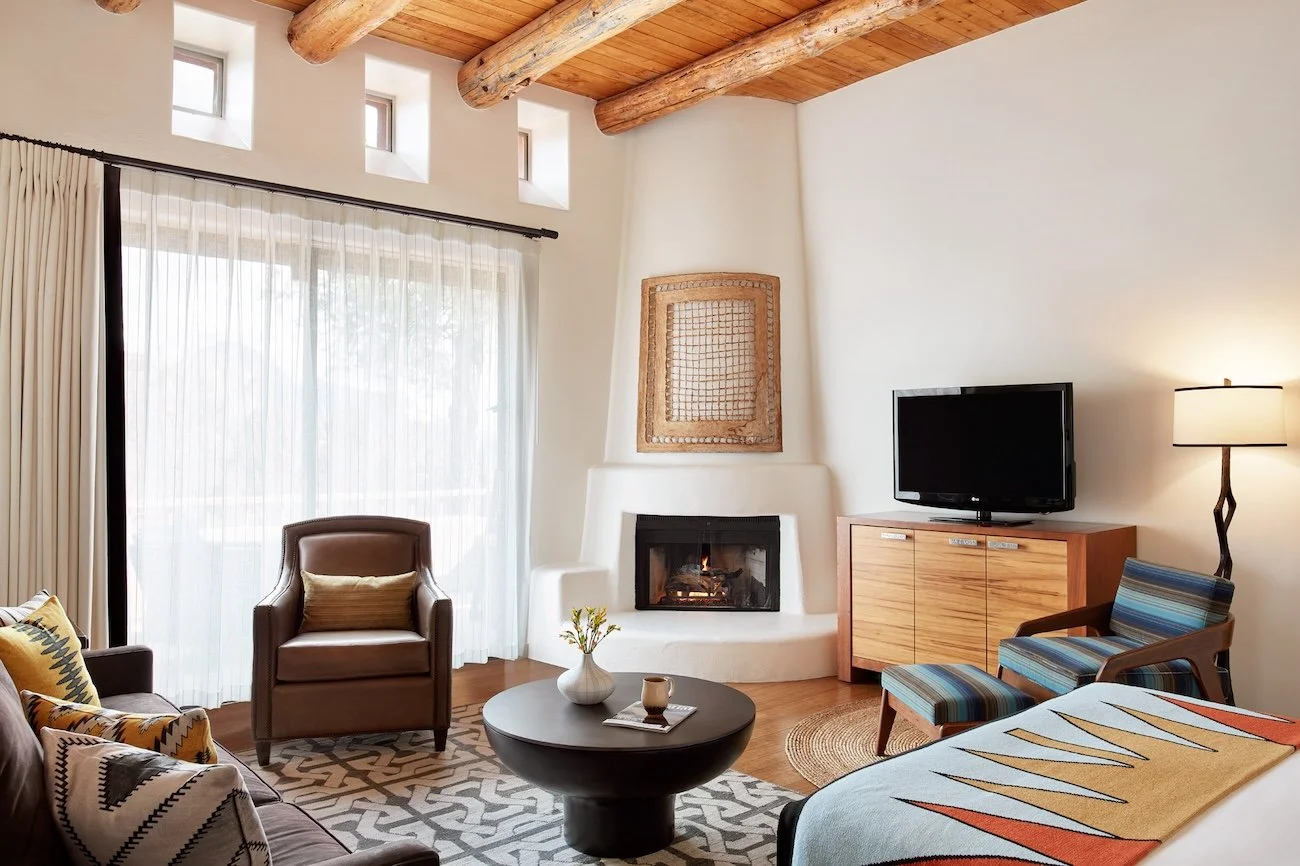
Southwest accents and a muted desert color palette define the interior of a Casita Suite at Enchantment. [credit: Enchantment]
Accommodations range from intimate Junior Suites to multi-bedroom Casitas that feel like private desert homes. Most feature outdoor spaces oriented toward the canyon walls. Some casitas sit near the Trailhouse—the resort's adventure hub for hiking, trail running, and mountain biking departures—at the edge of the property, while others cluster around courtyards and tucked-away alcoves. Many include fireplaces, deep soaking tubs, and floor-to-ceiling windows that keep the canyon constantly in view.
The layout of the resort discourages rushing. Terraces and outdoor seating areas pull guests outward rather than concentrating everyone in a central lobby, giving the property a sense of ease even during busy periods. The primary lodge houses signature dining venues and lounges where views unfold westward toward the red cliffs, while pools and activity areas are spread across the property. The main pool deck, where canyon walls rise almost directly around it, offers one of the best views on property.
Adjacent to the main resort and sharing its canyon setting, Mii amo operates as a fully independent wellness retreat with its own accommodations, dining, and all-inclusive Journey programs. Though the two properties reflect the same spirit, they complement rather than duplicate each other. Between Enchantment’s casitas and the spa suites at Mii amo, guests can choose between a traditional luxury stay and a more focused wellness retreat—all within the same red rock amphitheater.
The resort is designed so that even during busy periods, guests move naturally between casitas, trails, and the spa, giving a sense of space. As daylight fades and shadows climb the canyon walls, the energy of the property shifts almost imperceptibly toward dinner, terraces, and the long evenings that follow.
Dining at Enchantment and Beyond
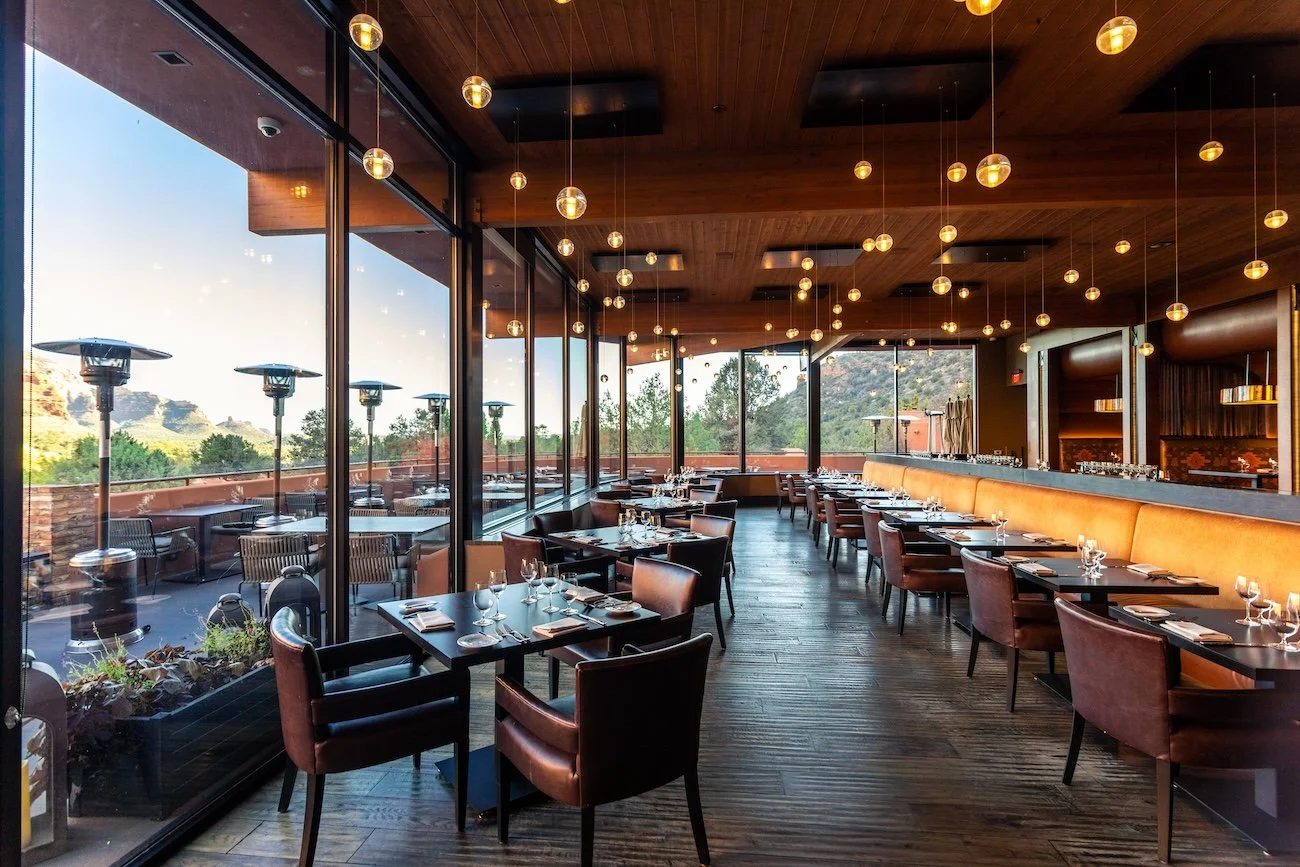
Dining at Enchantment is as much about good food as about showcasing the Boynton Canyon surroundings. [credit: Enchantment]
Enchantment’s primary dining room, Che Ah Chi (“red rocks”), is open for breakfast, lunch, and dinner. It anchors the resort’s more formal dining, with floor-to-ceiling windows that make Boynton Canyon feel like a fourth wall of the dining room. The menu balances modern American flavors with local touches—smoked meats, regional chiles—enough to feel rooted in the place without trying too hard. The wine list is broad yet approachable, letting the food take center stage. Che Ah Chi is a natural choice for a celebratory dinner after golf at Seven Canyons or a final evening spent lingering over conversation.
Tii Gavo suits more relaxed evenings. Southwestern comfort arrives in generous portions, but the real draw is outside. Fire pits provide an inviting outdoor atmosphere, encouraging diners to linger into silhouette phase, when the cliffs turn velvet black against the desert sky.
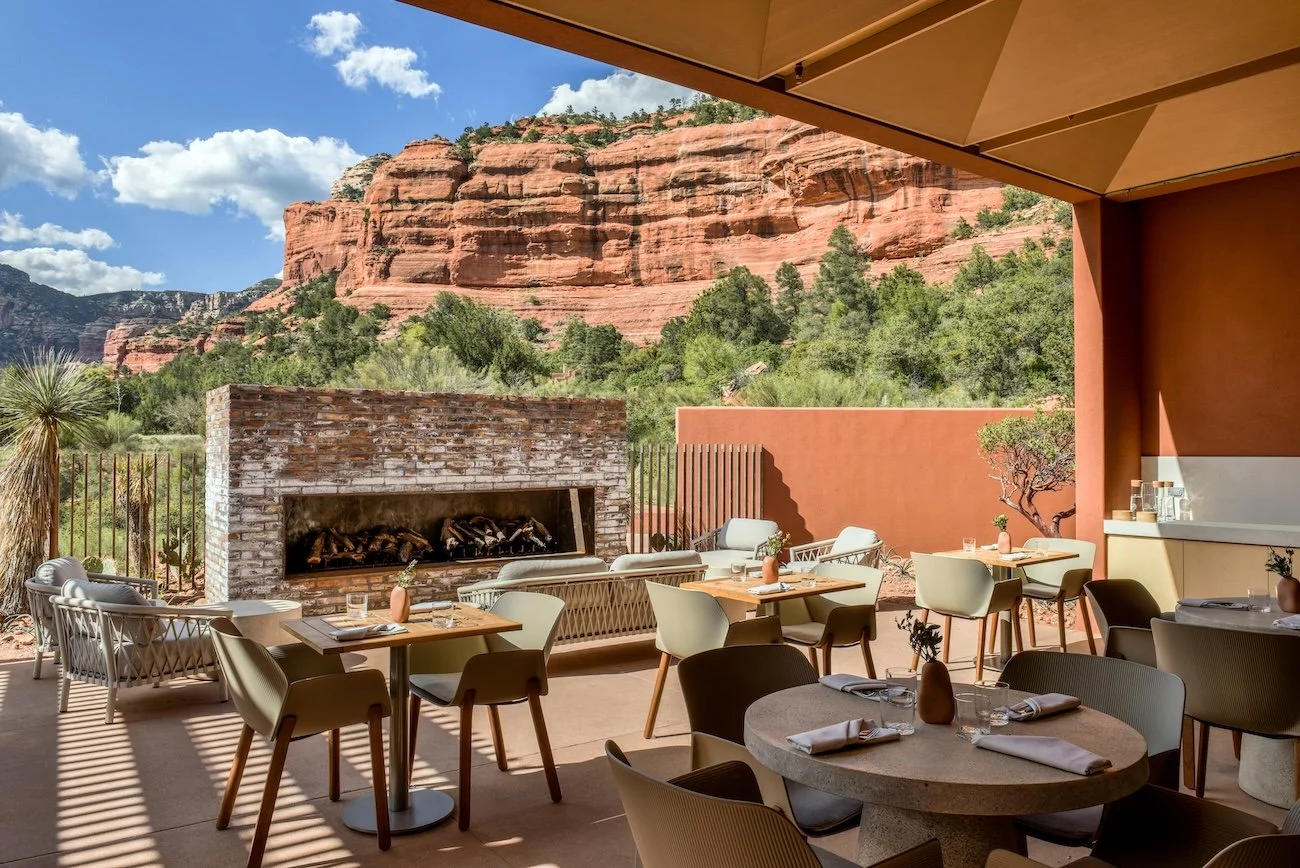
Hummingbird is the signature restaurant at Mii amo. [credit: Mii amo]
Hummingbird is Mii amo’s signature restaurant, offering the most intimate dining experience at either property. It is known for a seasonal menu built around fresh produce from Mii amo’s own garden and local farms, with dishes that feel light, polished, and ingredient-driven.
Sedona proper holds up surprisingly well as a food destination for its size. Elote Café in Uptown Sedona remains one of the hardest reservations to secure in town, with bold Mexican-Southwestern dishes from chef-owner Jeff Smedstad served in a lively dining room. Plan ahead if you want a table. For something quieter, Mariposa, perched above Sedona’s red rocks, offers Latin-inspired cuisine from chef Lisa Dahl, with wood-fired dishes and panoramic views that are as much a part of the experience as the wine list and the plates.
Mii amo: A Distinct Wellness Retreat in Boynton Canyon
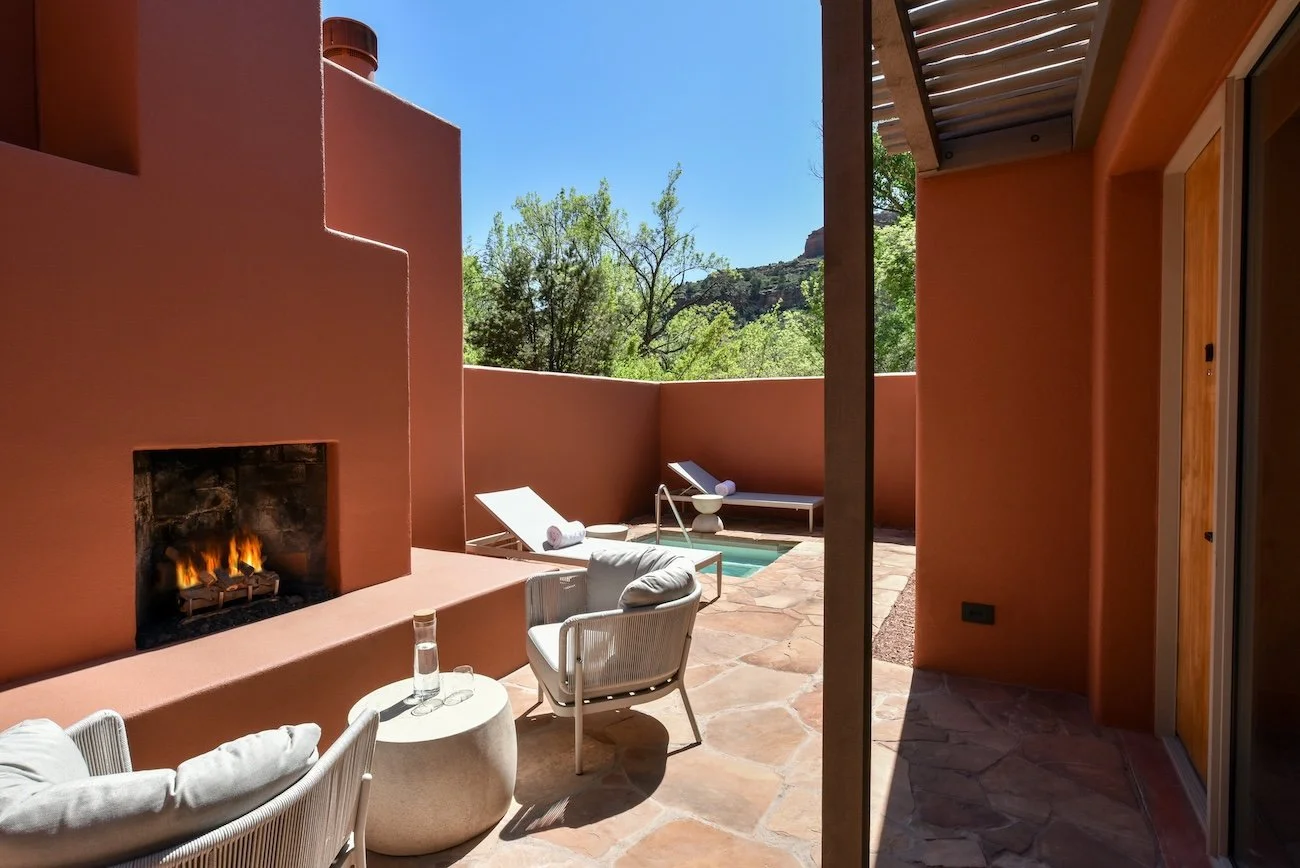
A luxury suite at Mii amo. [credit: Mii amo]
Mii amo, located adjacent to Enchantment just steps away, maintains a distinct identity as a sister retreat. A Relais & Châteaux member property, Mii amo earned its first Forbes Five-Star hotel designation in 2026—becoming the first and only Five-Star wellness resort in North America and the first Five-Star property of any kind in Sedona. The distinction reflects not opulence but immersion: a property so thoroughly shaped by its canyon setting that the landscape itself becomes part of the treatment.
Treatment rooms are oriented toward rust-colored rock walls, reinforcing a constant connection to the outdoors. Natural materials—heated stone floors, textured wood, filtered desert light—shape the atmosphere. The treatment philosophy draws on elements long associated with Native American traditions in the Southwest—sage, hot stone, and an emphasis on simplicity over excess: fewer choices, each given space to matter.
The Mii amo experience extends beyond traditional spa treatments. Mornings often center on guided meditation or canyon-view yoga, followed by strength or mobility sessions focused on recovery as much as fitness. Programming includes sound healing, breathwork, and intention-setting workshops, along with longer multi-day immersions built around rest and reflection.
Non-golfers often find Mii amo becomes the center of the trip. From secluded spa suites, the canyon feels close enough to touch. Many guests rarely venture to the main resort pools. Privacy runs deeper than almost anywhere else in Sedona.
Stepping back into the wider resort afterward, the canyon often feels quieter somehow—as if time has slowed a notch—nudging guests toward whatever comes next, beyond the spa or the golf course.
Canyon Days Away From the Fairways
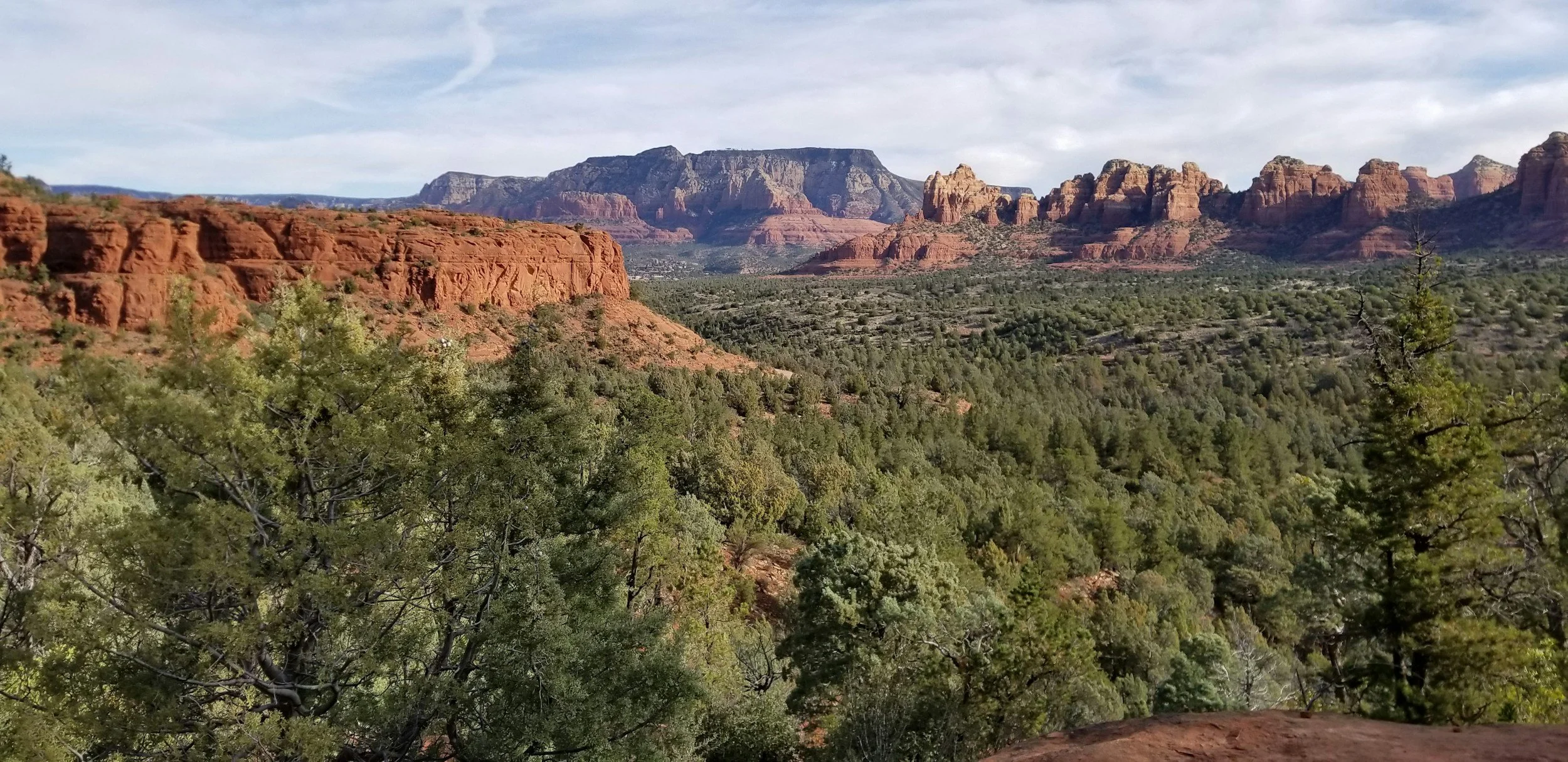
Hiking paths at Enchantment trace the canyon floor, revealing junipers, red rocks, and quiet desert beauty.
Time away from the course tends to follow the canyon’s rhythm rather than any printed schedule. Trails begin steps from most casitas—gentle paths tracing the basin floor alongside dry washes or steeper climbs that rise quickly into red rock overlooks wide enough to reset a sense of distance.
Those wanting context may join guided hikes focused on geology, desert ecology, or photography, with leaders highlighting details that might otherwise go unnoticed—juniper shaped by wind, iron-rich rock layers shifting color as light changes.
Tennis and pickleball courts sit near the main activity area, with instruction and clinics often available. The main pool deck serves as the resort’s social hub, framed by canyon walls on three sides for an immersive desert setting. For guests who prefer more solitude, smaller pools tucked across the property provide quieter places to unwind.
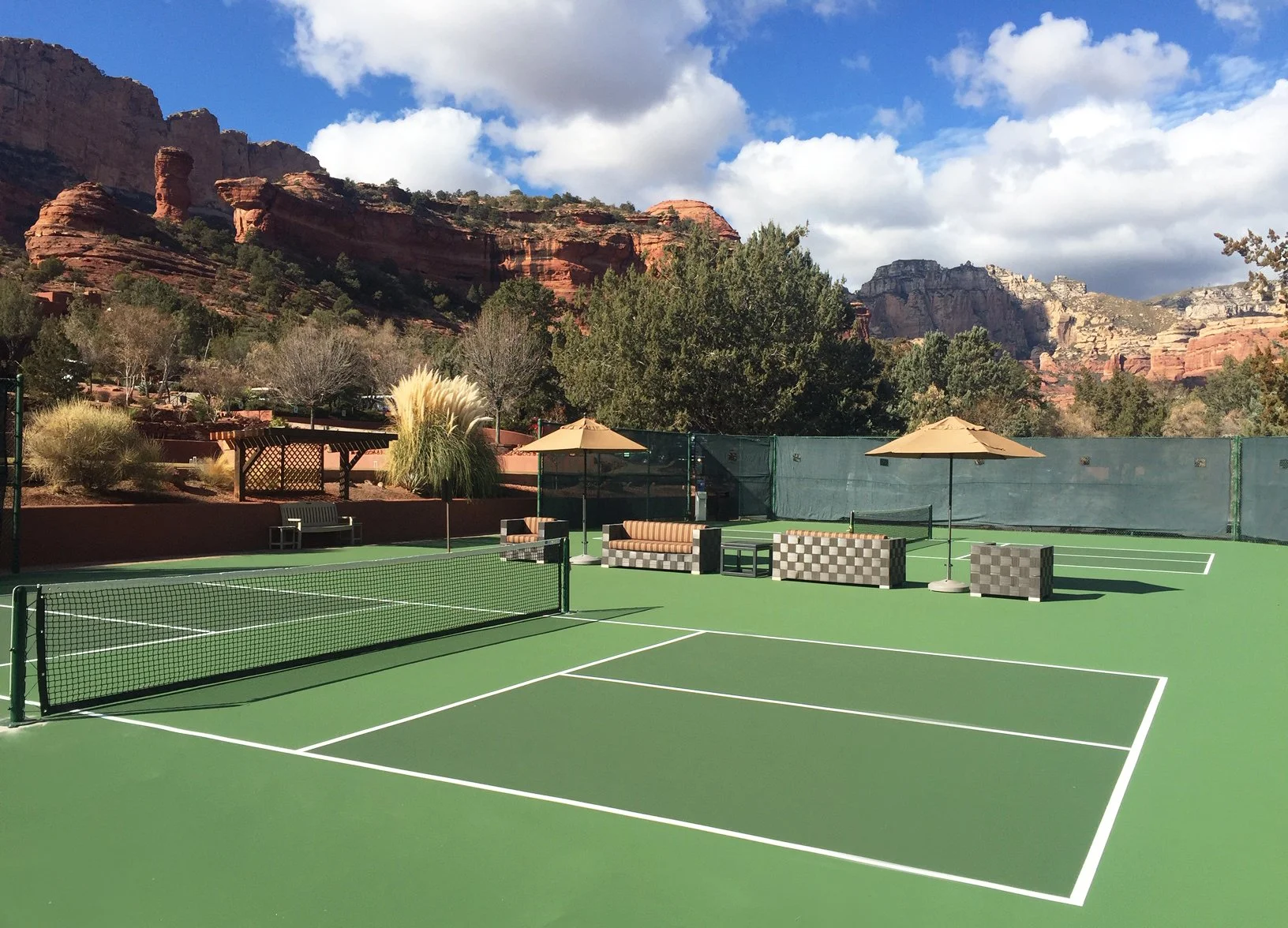
Tennis and pickleball are popular activities at the resort. [credit: Enchantment]
Creative programming complements more active pursuits. Offerings have included early-morning photography walks, painting sessions, and workshops influenced by Native craft traditions.
Evenings reveal Sedona at its most expansive. Stargazing programs take advantage of Sedona’s dark skies, offering clear views of constellations and planets above the canyon rim. Helicopter tours provide a contrasting perspective, lifting above the formations to reveal the broader scale of Sedona’s mesas and buttes—shapes that feel intimate from the ground yet immense from the air.
None of this is obligatory. The canyon has a way of making even a morning on a terrace with coffee feel like the right choice.
Getting There & When to Visit
Enchantment is roughly a two-hour drive north of Phoenix Sky Harbor International Airport (PHX). The journey quickly becomes part of the arrival experience, shifting from Sonoran Desert flats into Sedona’s layered red-rock landscape as the road climbs toward town.
Flagstaff Pulliam Airport (FLG), about an hour away, offers a smaller alternative with limited commercial service. Private aircraft can also use Sedona Airport (SDX), perched atop a mesa just minutes from town.
Sedona experiences four distinct seasons, each lending the landscape a different personality.
Spring and fall provide the most reliable golf weather, pairing mild daytime temperatures with clear skies that favor long days outdoors.
Summer, often overlooked, can be surprisingly appealing. At higher elevation, Sedona typically runs noticeably cooler than both Phoenix and Scottsdale.
From July through early September, Arizona’s monsoon season brings brief afternoon thunderstorms that move quickly through the canyons. Mornings are usually clear, making earlier tee times and hikes the preferred rhythm.
Winter introduces crisp air, lighter visitor numbers, and the occasional dusting of snow across the red rocks—a contrast that can make even familiar views feel newly dramatic.
Who This Getaway Is For
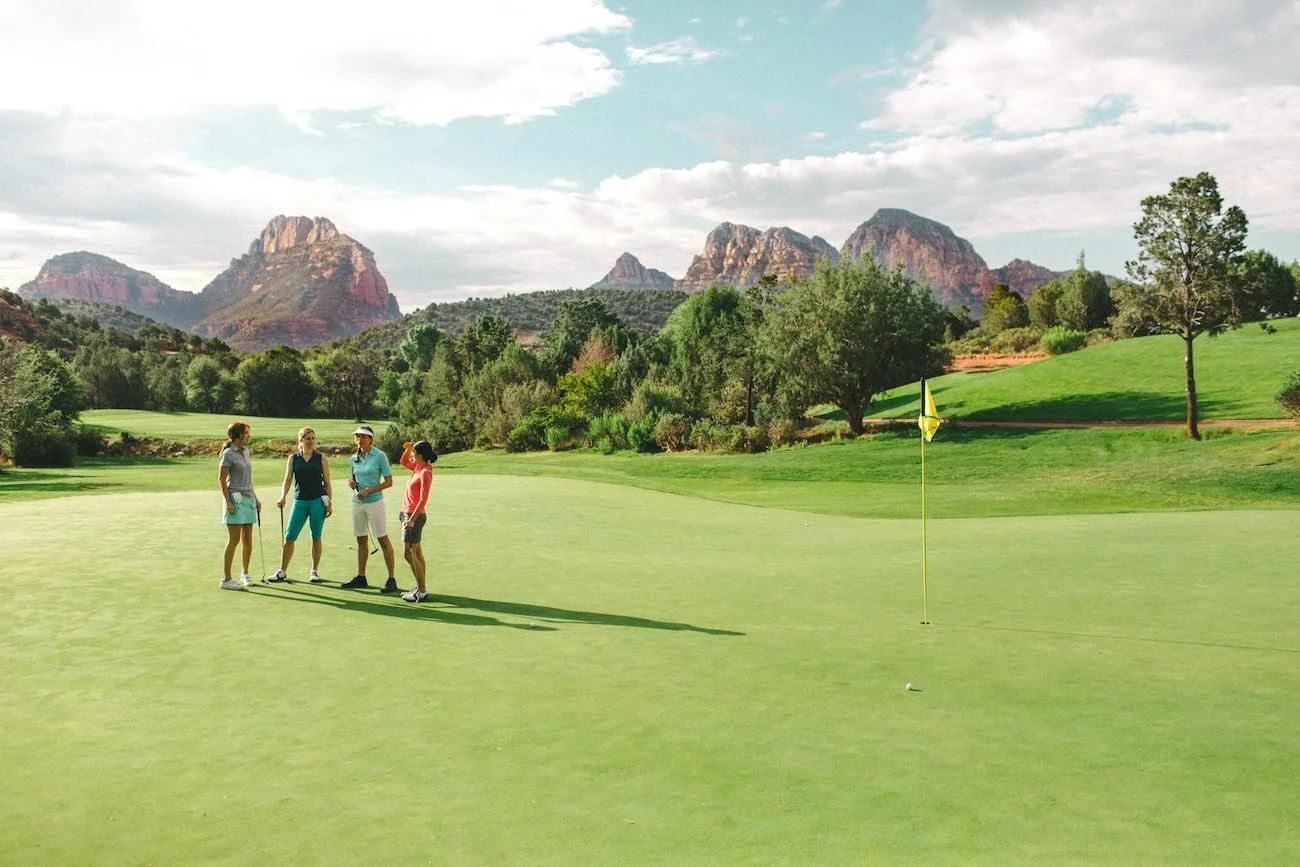
Golf at Seven Canyons is an unforgettable element of a luxury Sedona escape at Enchantment and Mii amo. [credit: Enchantment]
Enchantment ranks among the premier resort experiences in the American West. Rates for rooms, dining, and activities reflect that standing, yet the resort’s strong repeat following suggests many visitors view the experience less as a splurge and more as a place genuinely worth returning to.
Weekend golf getaways here tend to resonate most with:
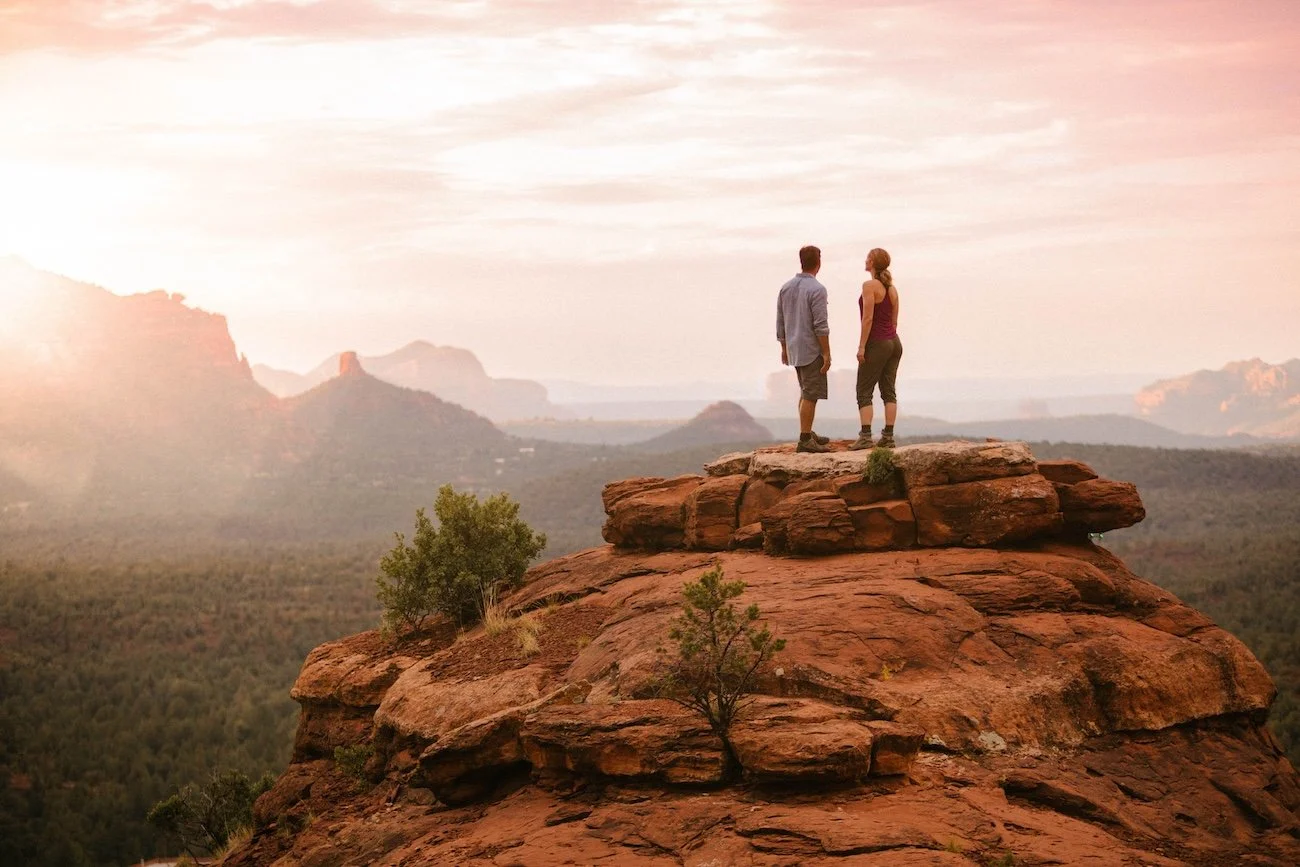
Hikers basking in the solitude of a trail summit near Enchantment. [credit: Enchantment]
Golfers who value setting as much as design
Seven Canyons Golf Club delivers strategic, walkable golf within one of the region’s most visually striking environments.Luxury travelers who prize space and quiet over spectacle
Enchantment Resort emphasizes calm, expansive views, and room to breathe rather than flash.Spa-focused travelers.
For many guests, Mii amo alone justifies the journey.Outdoor enthusiasts.
Hiking, guided exploration, and dark-sky stargazing sit naturally alongside the golf experience.Seasonal strategists.
Spring and fall are peak windows, though summer remains viable thanks to cooler temperatures than the desert cities to the south.Travelers comfortable with premium pricing.
Guests drawn to privacy, scenery, and a slower, more restorative version of luxury tend to find the setting especially rewarding.
For those looking to combine meaningful golf with one of the Southwest’s most evocative landscapes, Enchantment, Mii amo, and Seven Canyons Golf Club form a partnership that lingers. Long after the final putt drops, it is often the canyon itself—and the way it quietly reshapes the pace of the day—that stays with guests.
You May Also Enjoy …
If you enjoyed this look at Enchantment & Seven Canyons Golf Club, you might also like these Weekend Golf Getaways destination guides:
• Omni Grove Park Inn (North Carolina) — Historic Asheville resort with a restored Donald Ross course and one of America’s great destination spas.
• Forest Dunes (Michigan) — Pure golf immersion featuring Tom Weiskopf’s original championship course, Tom Doak’s reversible Loop, and the Bootlegger short course.
• The Abaco Club (Bahamas) — A look inside one of the Caribbean's premier private golf communities, available to prospective members through Discovery Visits.
Planning your next golf getaway?
Browse all Weekend Golf Getaways destination guides for in-depth coverage of golf resorts, memorable courses, accommodations, dining, and experiences worth building a trip around.